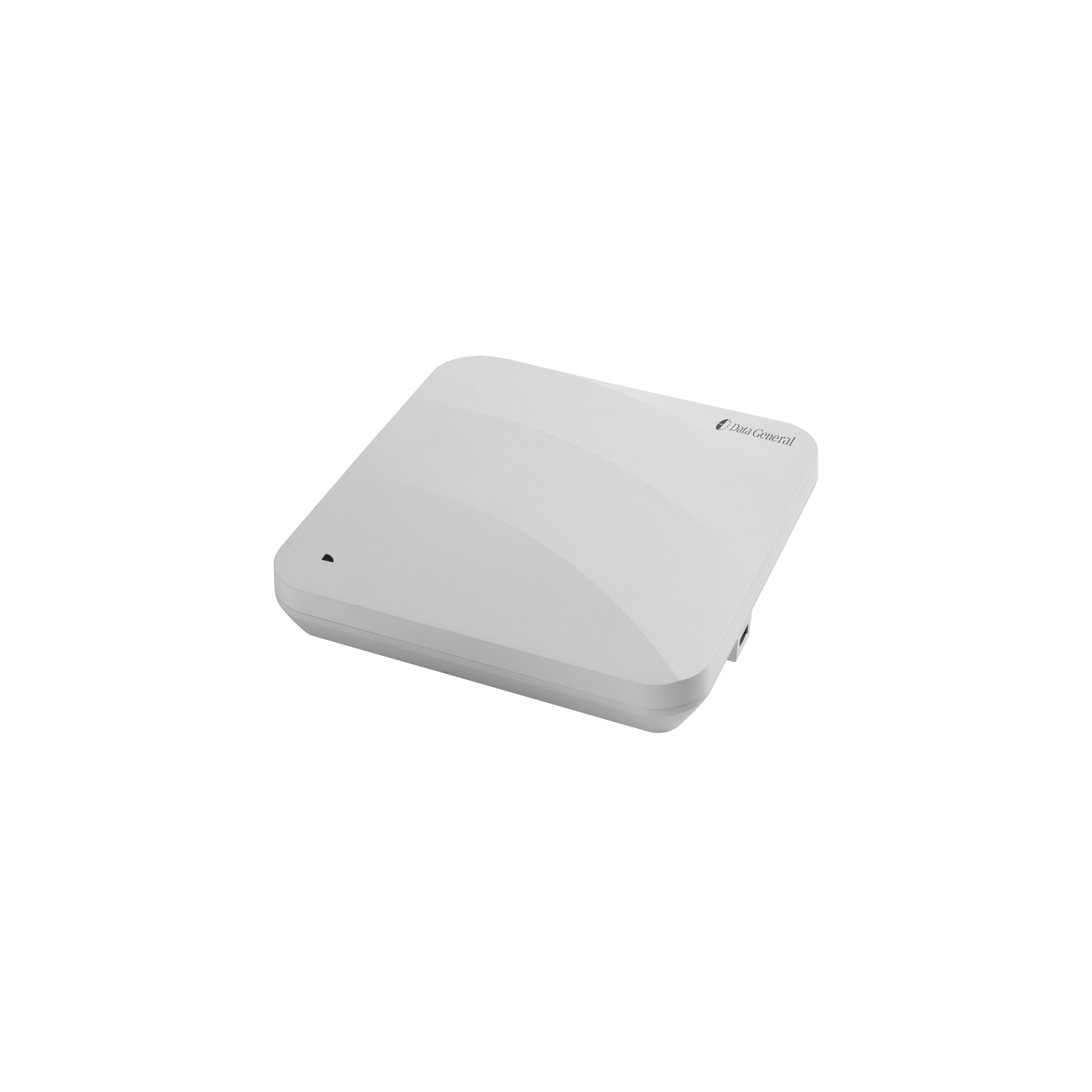
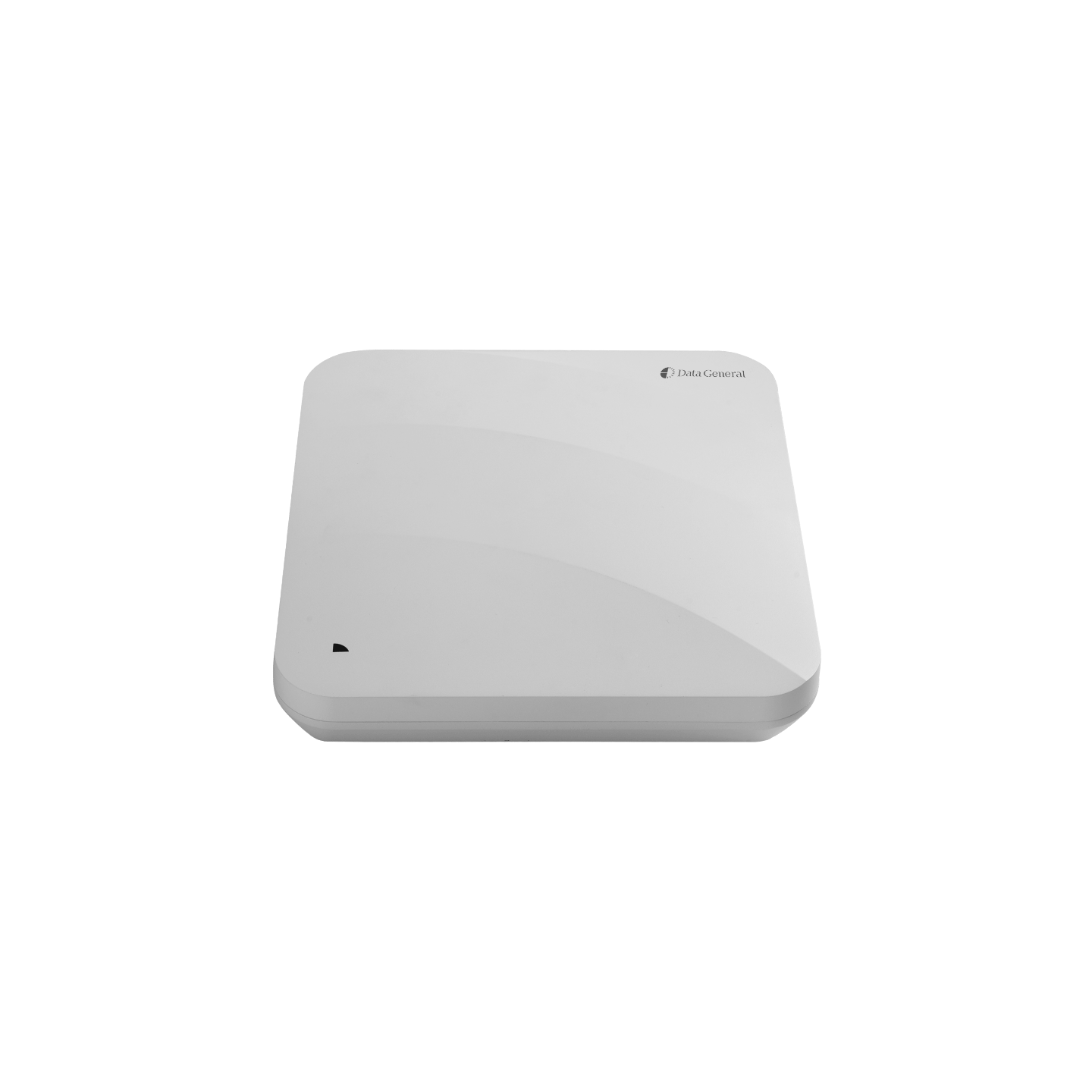
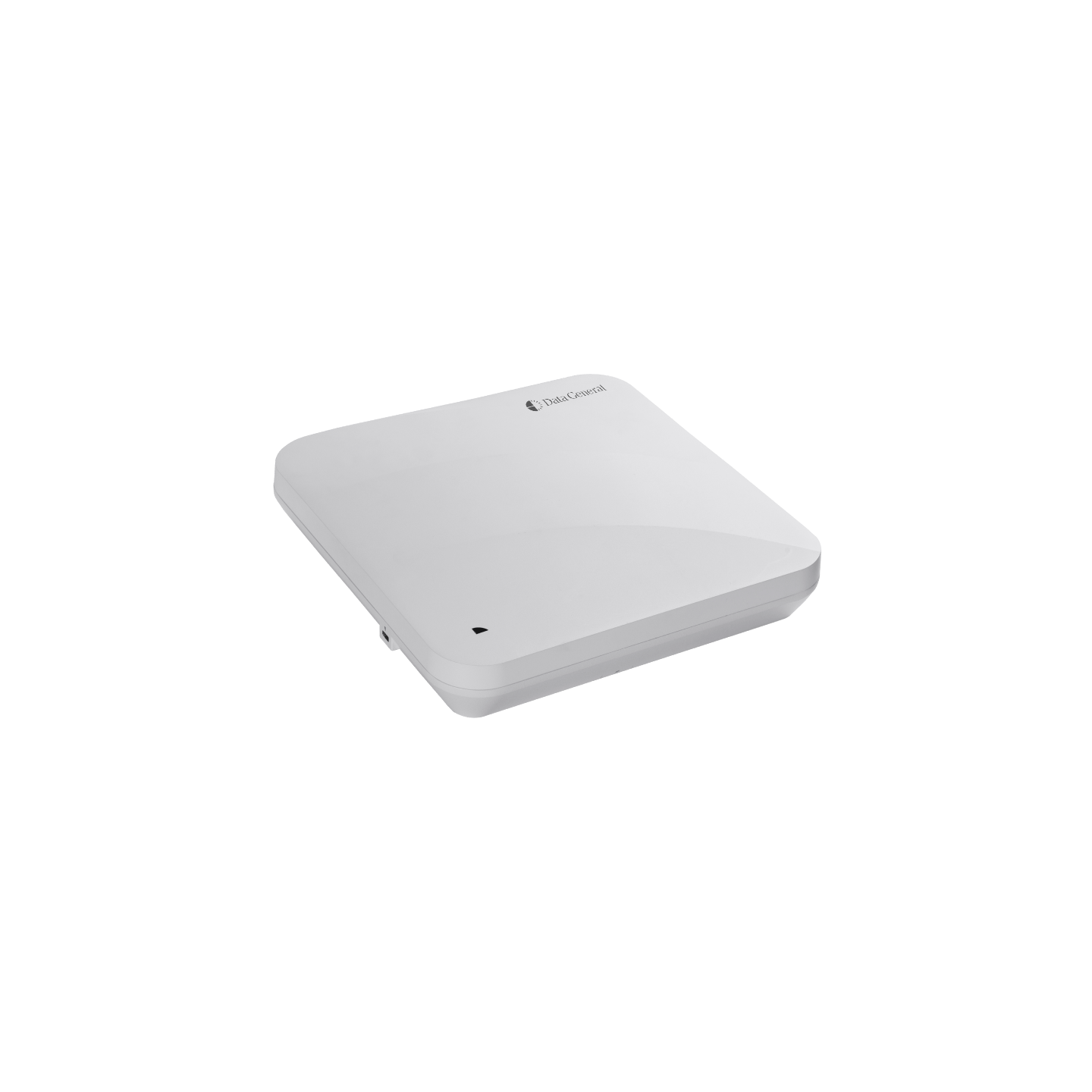
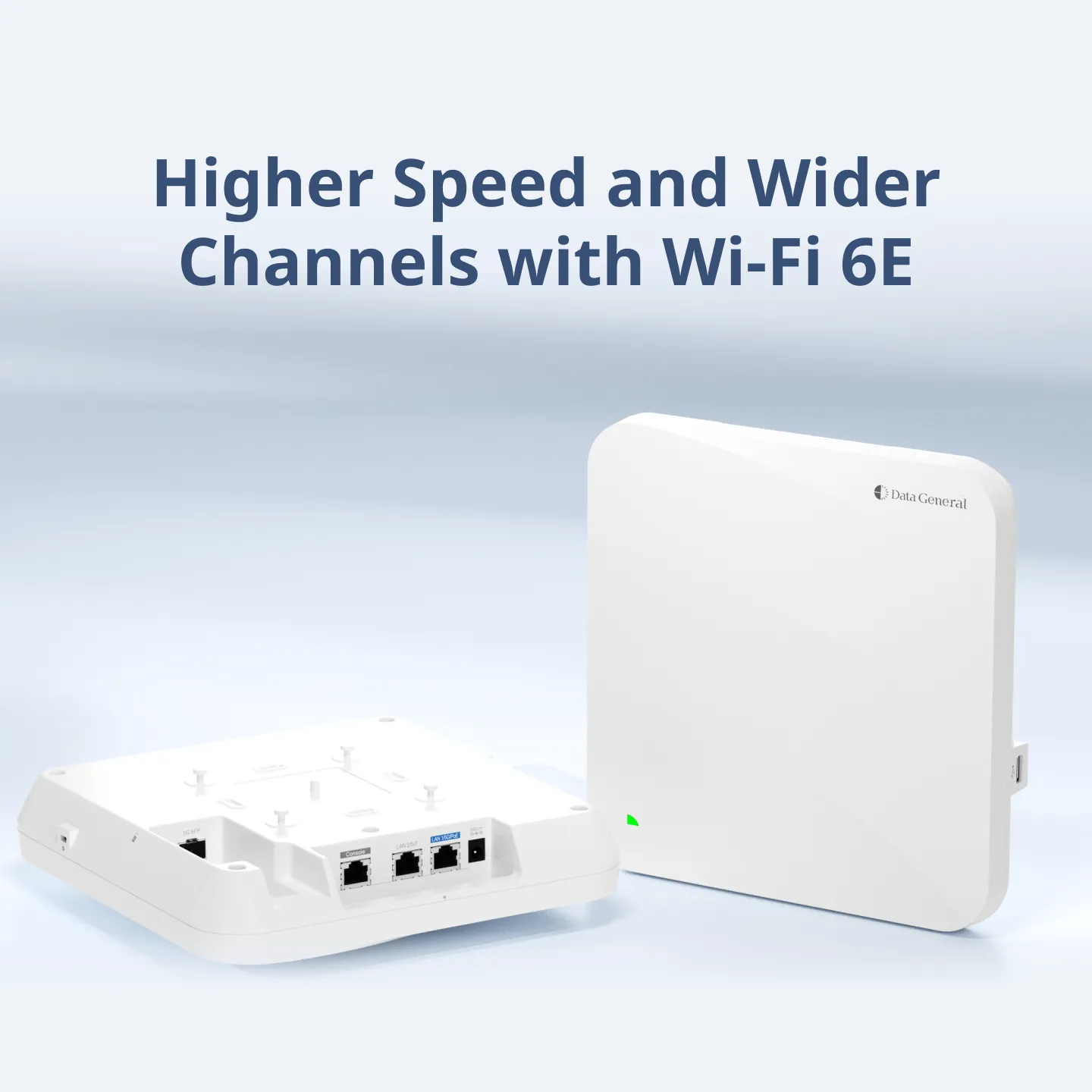
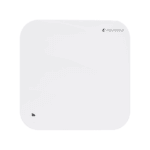
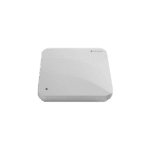
Hardware Specifications |
||||||
|---|---|---|---|---|---|---|
| 802.11n | Four spatial streams | |||||
| ● Radio 1 – 2.4 GHz: 2×2 MIMO, two spatial streams | ||||||
| ● Radio 2 – 5 GHz: 2×2 MIMO, two spatial streams | ||||||
| Channels: | ||||||
| ● Radio 1 – 2.4 GHz: 20 MHz and 40 MHz | ||||||
| ● Radio 2 – 5 GHz: 20 MHz and 40 MHz | ||||||
| Combined peak data rate: 600 Mbps | ||||||
| ● Radio 1 – 2.4 GHz: 6.5 Mbps to 300 Mbps (MCS0 to MCS15 ) | ||||||
| ● Radio 2 – 5 GHz: 6.5 Mbps to 300 Mbps (MCS0 to MCS15) | ||||||
| Radio technologies: Orthogonal Frequency-Division Multiplexing (OFDM) | ||||||
| Modulation types: BPSK, QPSK, 16-QAM, 64-QAM | ||||||
| Packet aggregation: | ||||||
| ● Aggregate MAC Protocol Data Unit (A-MPDU) | ||||||
| ● Aggregate MAC Service Data Unit (A-MSDU) | ||||||
| Dynamic Frequency Selection (DFS) | ||||||
| Cyclic Delay/Shift Diversity (CDD/CSD) | ||||||
| Maximum Ratio Combining (MRC) | ||||||
| Space-Time Block Coding (STBC) | ||||||
| Low-Density Parity Check (LDPC) | ||||||
| Transmit beam-forming (TxBF) | ||||||
| 802.11ac | Two spatial streams | |||||
| ● Radio 2 – 5 GHz: 2×2 MIMO, two spatial streams | ||||||
| Channels: | ||||||
| ● Radio 2 – 5 GHz: 20 MHz, 40 MHz, 80 MHz, and 160 MHz | ||||||
| Combined peak data rate: 1.733 Gbps | ||||||
| ● Radio 2 – 5 GHz: 6.5 Mbps to 1.733 Gbps (MCS0 to MCS9) | ||||||
| Radio technologies: Orthogonal Frequency-Division Multiplexing (OFDM) | ||||||
| Modulation types: BPSK, QPSK, 16-QAM, 64-QAM, 256-QAM | ||||||
| Packet aggregation: | ||||||
| ● Aggregate MAC Protocol Data Unit (A-MPDU) | ||||||
| ● Aggregate MAC Service Data Unit (A-MSDU) | ||||||
| Dynamic Frequency Selection (DFS) | ||||||
| Cyclic Delay/Shift Diversity (CDD/CSD) | ||||||
| Maximum Ratio Combining (MRC) | ||||||
| Space-Time Block Coding (STBC) | ||||||
| Low-Density Parity Check (LDPC) | ||||||
| Transmit beam-forming (TxBF) | ||||||
| 802.11ax | Eight spatial streams | |||||
| ● Radio 1 – 2.4 GHz: 2×2 uplink/downlink MU-MIMO, two spatial streams | ||||||
| ● Radio 2 – 5 GHz: 2×2 uplink/downlink MU-MIMO, two spatial streams | ||||||
| ● Radio 3 – 6 GHz: 4×4 uplink/downlink MU-MIMO, four spatial streams | ||||||
| Channels: | ||||||
| ● Radio 1 – 2.4 GHz: 20 MHz and 40 MHz | ||||||
| ● Radio 2 – 5 GHz: 20 MHz, 40 MHz, 80 MHz, and 160 MHz | ||||||
| ● Radio 3 – 6 GHz: 20 MHz, 40 MHz, 80 MHz, and 160 MHz | ||||||
| Combined peak data rate: 7.780 Gbps: | ||||||
| ● Radio 1 – 2.4 GHz: 8.6 Mbps to 0.574 Gbps (MCS0 to MCS11) | ||||||
| ● Radio 2 – 5 GHz: 8.6 Mbps to 2.402 Gbps (MCS0 to MCS11) | ||||||
| ● Radio 3 – 6 GHz: 8.6 Mbps to 4.804 Gbps (MCS0 to MCS11) | ||||||
| Radio technologies: uplink/downlink Orthogonal Frequency-Division Multiple Access (OFDMA) | ||||||
| Modulation types: BPSK, QPSK, 16-QAM, 64-QAM, 256-QAM, 1024-QAM | ||||||
| Packet aggregation: | ||||||
| ● Aggregate MAC Protocol Data Unit (A-MPDU) | ||||||
| ● Aggregate MAC Service Data Unit (A-MSDU) | ||||||
| Dynamic Frequency Selection (DFS) | ||||||
| Cyclic Delay/Shift Diversity (CDD/CSD) | ||||||
| Maximum Ratio Combining (MRC) | ||||||
| Space-Time Block Coding (STBC) | ||||||
| Low-Density Parity Check (LDPC) | ||||||
| Transmit beam-forming (TxBF) | ||||||
| WPA3 | ||||||
| Antenna | Wi-Fi | |||||
| ● 2.4 GHz: two built-in omnidirectional antennas, the max. antenna gain is 5.4 dBi. | ||||||
| ● 5 GHz: two built-in omnidirectional antennas, the max. antenna gain is 5.2 dBi. | ||||||
| ● 6 GHz: four built-in omnidirectional antennas, the max. antenna gain is 5.4 dBi. | ||||||
| Bluetooth | ||||||
| ● One integrated vertically polarized omnidirectional antenna, the max. antenna gain is 4.6 dBi. | ||||||
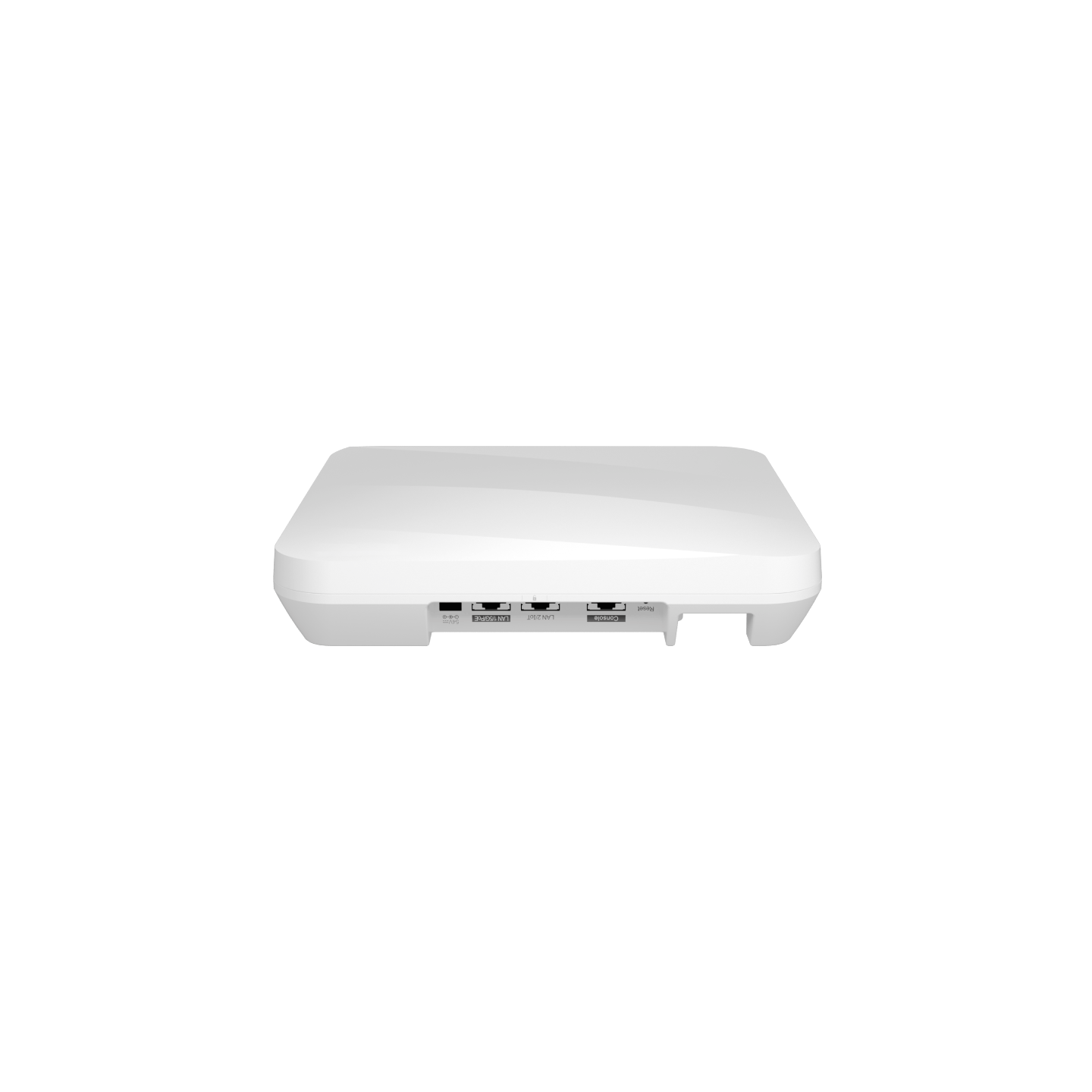
| Port | 1 x 100/1000/2500/5000Base-T RJ45 Ethernet port with auto-negotiation | |||||
| 1 x 5GE combo port (SFP port/electrical port), compatibility with 1GE and 2.5GE SFP | ||||||
| 1 x 10/100/1000Base-T RJ45 Ethernet port with auto-negotiation | ||||||
| 1 x RJ45 console port (serial console port) | ||||||
| 1 x USB 3.0 (Type-A connector) | ||||||
| 1 x Bluetooth 5.1 | ||||||
| Status LED | 1 x multi-color system status LED | |||||
| ● AP power-on status | ||||||
| ● Software initialization status and upgrade status | ||||||
| ● Uplink service interface status | ||||||
| ● Wireless user online status | ||||||
| ● CAPWAP tunnel timeout | ||||||
| ● Specific AP locating | ||||||
| Button | 1 x Reset button | |||||
| ● Press the button for shorter than 2 seconds. Then the device restarts. | ||||||
| ● Press the button for longer than 5 seconds. Then the device restores to factory settings. | ||||||
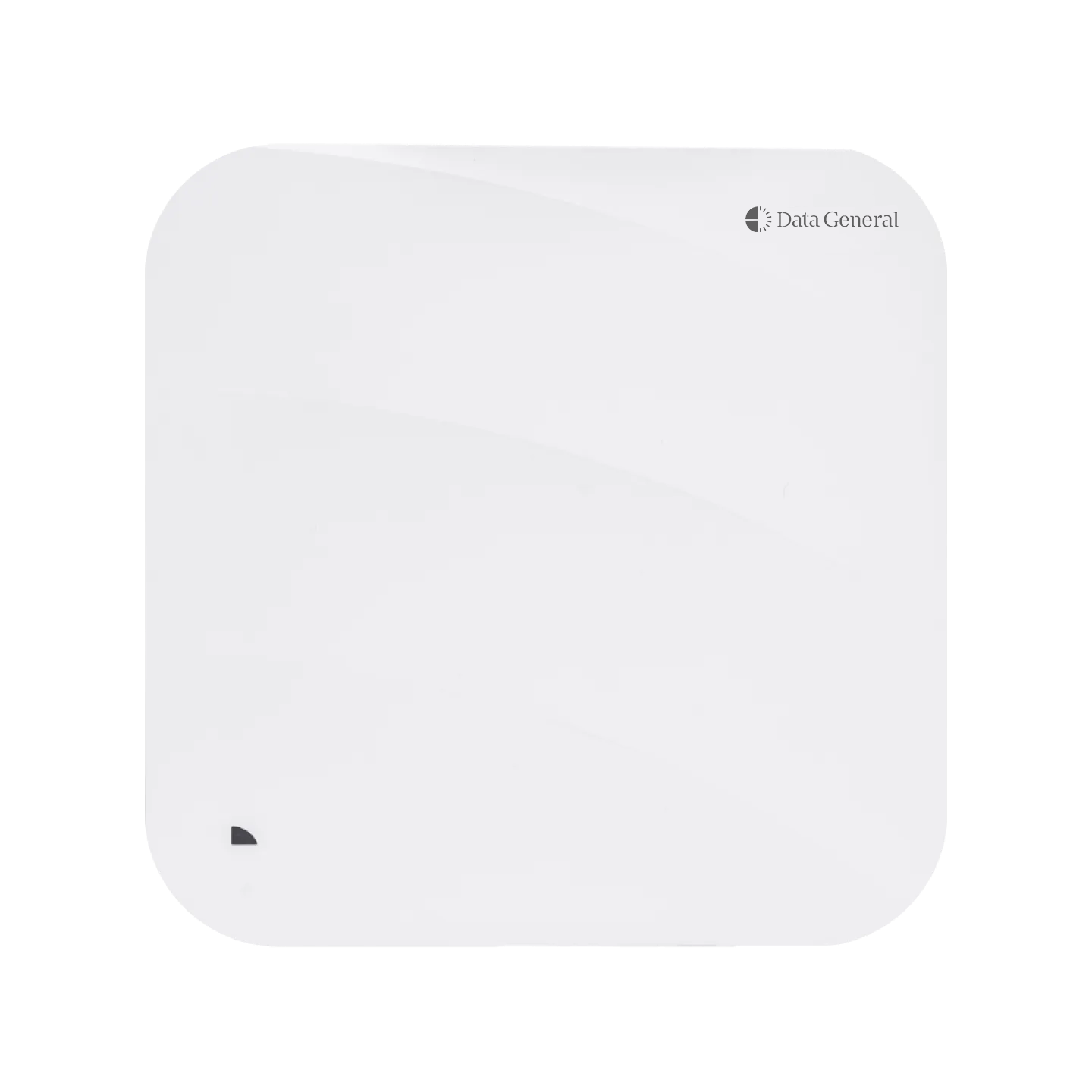
| Dimensions (W x D x H) | Main unit: 230 mm x 230 mm x 51 mm (9.06 in. x 9.06 in. x 2.01 in.) | |||||
| Shipping: 284 mm x 262 mm x 124 mm (11.2 in. x 10.4 in. x 4.9 in.) | ||||||
| Weight | Main unit: 1.0 kg (2.20 lbs) | |||||
| Mounting bracket: 0.1 kg (0.22 lbs) | ||||||
| Shipping: 1.25 kg (2.76 lbs) | ||||||
| Mounting | Wall/Ceiling-mount (a mounting bracket is delivered with the main unit) | |||||
| Lock option | Kensington lock and securing latch | |||||
| Input power supply | The AP supports the following two power supply modes: | |||||
| ● 54 V DC/1.1 A power input over DC connector: The DC connector accepts 2.1 mm/5.5 mm center-positive circular plug. A DC power supply needs to be purchased independently. | ||||||
| ● PoE input over LAN 1: The power source equipment (PSE) complies with IEEE 802.3af/at/bt standard (PoE/PoE+/PoE++). | ||||||
| Note: If both DC power and PoE are available, DC power is preferred. | ||||||
| Power consumption | Maximum power consumption: 40 W | |||||
| ● DC power: 40 W, 2.4 GHz radio 2×2, 5 GHz radio 2×2, 6 GHz radio 4×4, LAN 2 for PoE supply, and USB port enabled | ||||||
| ● 802.3bt (PoE++): 40 W, 2.4 GHz radio 2×2, 5 GHz radio 2×2, 6 GHz radio 4×4, LAN 2 for PoE supply, and USB port enabled | ||||||
| ● 802.3at (PoE+): 23 W, 2.4 GHz radio 2×2, 5 GHz radio 2×2, 6 GHz radio 4×4, LAN 2 and USB port that fail to provide power for external devices (PoE out disabled of LAN 2 and USB port disabled) | ||||||
| ● 802.3af (PoE): 12.95 W, 2.4 GHz radio 1×1, 5 GHz radio 1×1, 6 GHz radio 1×1, LAN 2 and USB port that fail to provide power for external devices (PoE out disabled of LAN 2 and USB port disabled) | ||||||
| ● Idle mode: 10.3 W | ||||||
| External power supply | When powered by 802.3bt (PoE++), the AP can supply power to an external device. | |||||
| ● The USB port can source 1 A/5 W power to an attached device. | ||||||
| ● The LAN 2 port can source 48 V/12.95 W power to an IoT unit. | ||||||
| Environment | Storage temperature: –40°C to +70°C (–40°F to +158°F) | |||||
| Storage humidity: 5% RH to 95% RH (non-condensing) | ||||||
Storage altitude: < 5,000 m (16,404.20 ft.) at 25°C (77°F) |
||||||
| Operating temperature: –10°C to +50°C (14°F to 122°F) | ||||||
| Operating humidity: 5% RH to 95% RH (non-condensing) | ||||||
Operating altitude: < 3,000 m (9,842.52 ft.) at 40°C (104°F) |
||||||
| At an altitude between 3,000 m (9,842.52 ft.) and 5,000 m (16,404.20 ft.), every time the altitude increases by 166 m (546 ft.), the maximum temperature decreases by 1°C (1.8°F). | ||||||
| Mean Time Between Failure (MTBF) | 200,000 hours (22 years) at the operating temperature of 25°C (77°F) | |||||
| System memory | 512 MB DRAM, 256 MB flash | |||||
| Transmit power | 2.4 GHz | |||||
| ● Max. transmit power: 27 dBm (500 mW) | ||||||
| ● Min. transmit power: 7 dBm (5.01 mW) | ||||||
| 5 GHz | ||||||
| ● Max. transmit power: 30 dBm (1000 mW) | ||||||
| ● Min. transmit power: 6 dBm (3.98 mW) | ||||||
| 6 GHz | ||||||
| ● Max. transmit power: 26 dBm (398 mW) | ||||||
| ● Min. transmit power: 9 dBm (7.94 mW) | ||||||
| Note: The transmit power adjusted in percentage. The transmit power is limited by local regulatory requirements. | ||||||
Software Specifications |
||||||
Basic Function |
||||||
| Applicable software version | DGOS11.9(6)W3B4 or later | |||||
WLAN |
||||||
| Max. number of associated STAs | 1,536 (up to 512 STAs per radio) | |||||
| Max. number of BSSIDs | 45 (up to 15 BSSIDs per radio) | |||||
| Max. number of WLAN IDs | 15 | |||||
| STA management | SSID hiding | |||||
| Each SSID can be configured with the authentication mode, encryption mechanism, and VLAN attributes independently. | ||||||
| Remote Intelligent Perception Technology (RIPT) | ||||||
| Intelligent STA identification technology | ||||||
| Intelligent load balancing based on the STA quantity or traffic | ||||||
| STA limiting | SSID-based STA limiting | |||||
| Radio-based STA limiting | ||||||
| Bandwidth limiting | STA/SSID/AP-based rate limiting | |||||
| CAPWAP | IPv4/IPv6 CAPWAP | |||||
| Layer 2 and Layer 3 topology between an AP and an AC | ||||||
| An AP can automatically discover the accessible AC. | ||||||
| An AP can be automatically upgraded through the AC. | ||||||
| An AP can automatically download the configuration file from the AC. | ||||||
| CAPWAP through NAT | ||||||
| Data forwarding | Centralized and local forwarding | |||||
| Wireless roaming | Layer 2 and Layer 3 roaming | |||||
| Wireless locating | MU and TAG device locating | |||||
Security and Authentication |
||||||
| Authentication and encryption | Remote Authentication Dial-In User Service (RADIUS) | |||||
| PSK and web authentication | ||||||
| QR code-based guest authentication, SMS authentication, and MAC address bypass (MAB) authentication | ||||||
| Data encryption: WEP (64/128 bits), WPA (TKIP), WPA-PSK, WPA2 (AES), WPA3-Enterprise, WPA3-Individual | ||||||
| Data frame filtering | Allowlist, static blocklist, and dynamic blocklist | |||||
| WIDS | Wireless Intrusion Detection System(WIDS) | |||||
| User isolation | ||||||
| Rogue AP detection and containment | ||||||
| ACL | IP standard ACL, MAC extended ACL, IP extended ACL, and expert-level ACL | |||||
| IPv6 ACL | ||||||
| Time range-based ACL | ||||||
| ACL based on a Layer 2 interface | ||||||
| ACL based on a Layer 3 interface | ||||||
| Ingress ACL based on a wireless interface | ||||||
| Dynamic ACL assignment based on 802.1X authentication (used with the AC) | ||||||
| CPP | CPU Protect Policy (CPP) | |||||
| NFPP | Network Foundation Protection Policy (NFPP) | |||||
Routing and Switching |
||||||
| MAC | Static and filtered MAC addresses | |||||
| MAC address table size: 2,048 | ||||||
| Max. number of static MAC addresses: 2,048 | ||||||
| Max. number of filtered MAC addresses: 2,048 | ||||||
| Ethernet | Jumbo frame length: 1,518 | |||||
| Full-duplex and half-duplex modes of interfaces | ||||||
| IEEE802.1p and IEEE802.1Q | ||||||
| Optical module information display, alarms about faults, and diagnosis parameter measurement (QSFP+/SFP+/SFP) | ||||||
| VLAN | Interface-based VLAN assignment | |||||
| Max. number of SVIs: 200 | ||||||
| Max. number of VLANs: 4,094 | ||||||
| VLAN ID range: 1–4,094 | ||||||
| ARP | ARP entry aging, gratuitous ARP learning, and proxy ARP | |||||
| Identification of IP address conflict among downlink users | ||||||
| Max. number of ARP entries: 2,048 | ||||||
| ARP check | ||||||
| IPv4 services | Static and DHCP-assigned IPv4 addresses | |||||
| NAT, FTP ALG and DNS ALG | ||||||
| IPv6 services | IPv6 addressing, Neighbor Discovery (ND), ICMPv6, IPv6 ping | |||||
| IPv6 DHCP client | ||||||
| DNSv6 client | ||||||
| TFTPv6 client | ||||||
| IP routing | IPv4/IPv6 static route | |||||
| Max. number of static IPv4 routes: 1,024 | ||||||
| Max. number of static IPv6 routes: 1,000 | ||||||
| Multicast | Multicast-to-unicast conversion | |||||
| VPN | PPPoE client | |||||
| IPsec VPN | ||||||
Network Management and Monitoring |
|
|
||||
| Network management | NTP server and NTP client | |||||
| SNTP client | ||||||
| SNMPv1/v2c/v3 | ||||||
| Fault detection and alarm | ||||||
| Information statistics and logging | ||||||
| Network management platform | Web management (Eweb) | |||||
| User access management | Console, Telnet, SSH, FTP client, FTP server, and TFTP client | |||||
| Switchover among Fat, Fit, and cloud modes | <td class="column-2"||||||