AP controllers: the intelligence behind your WiFi network
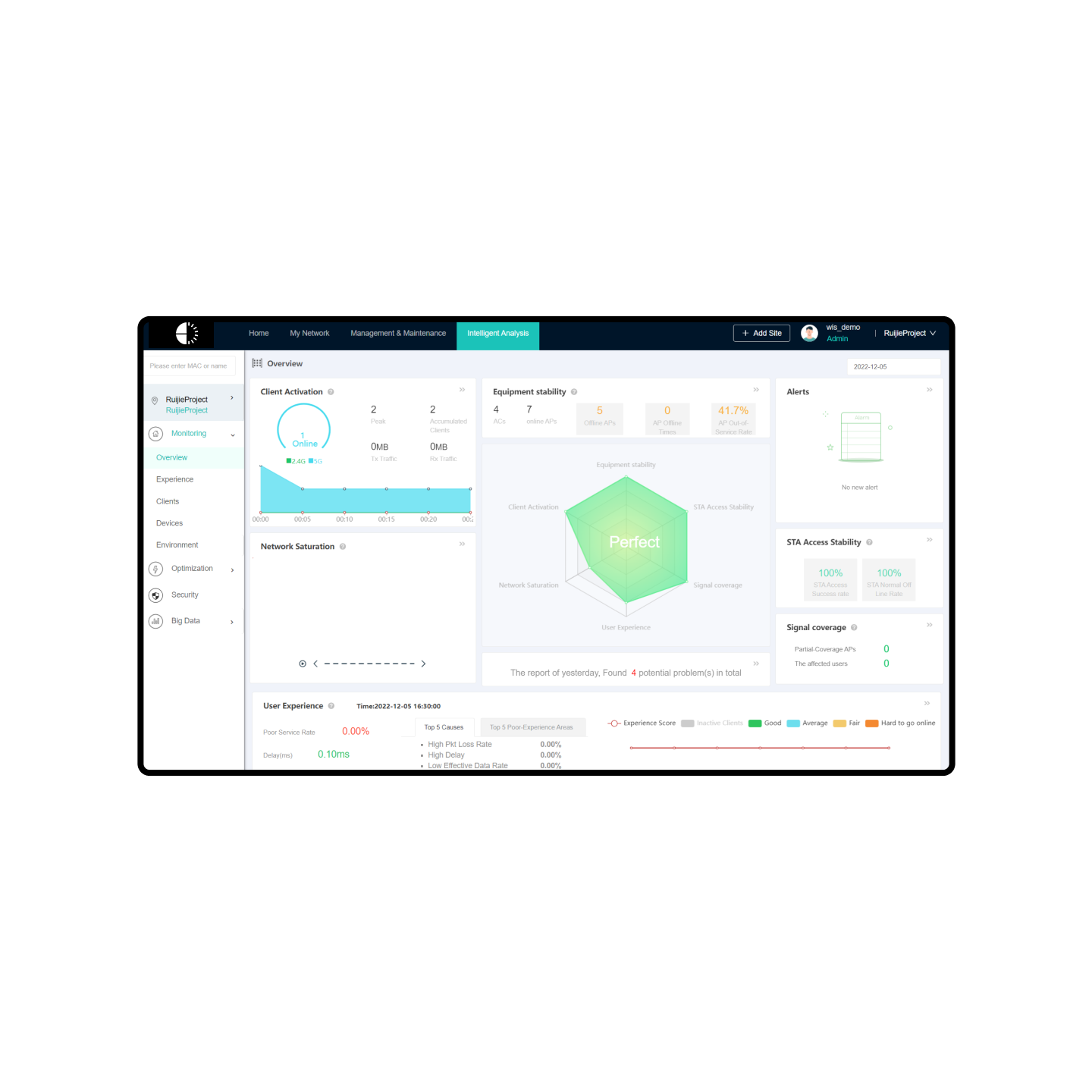
A professional WiFi network is not a collection of independent access points. It is a coordinated system where every AP knows what the others are doing, where devices move between coverage zones without dropping the connection, and where an administrator can configure and optimise the entire infrastructure from a single point of control. That point of control is the AP controller.
What an AP controller does
When a new access point is connected to the same network as the controller, it is detected and adopted automatically. From that point on, the controller applies the centrally defined configuration: SSIDs, frequencies, bands, transmission power, VLANs and access policies. There is no need to configure each AP individually. If a parameter is changed, the change propagates to all managed APs immediately.
The controller also actively manages interference between access points through dynamic channel assignment and power control, ensuring maximum aggregate performance across the installation.
Handover: the difference you can feel
One of the most tangible benefits of a physical controller over cloud-only management is handover speed: the time it takes for a device to transfer from one AP to another as the user moves through the space.
With cloud management, the process involves communication with remote servers and handover can take several seconds — enough to interrupt a video call or cut a VoIP session. With a physical controller on the local network, all roaming intelligence operates in milliseconds. The device transfers to the AP with the strongest signal in a way that is virtually imperceptible. For environments where users are constantly moving — production floors, hospitals, hotels, logistics centres — this difference is an operational requirement.
Autonomous operation without cloud dependency
A physical controller allows the WiFi network to operate at full capacity even without internet connectivity. APs retain their configuration, manage connections and execute handover autonomously. Essential in industrial or mission-critical environments where local network availability must be guaranteed regardless of external connectivity.
DG-WS7005: up to 64 APs, no licence required
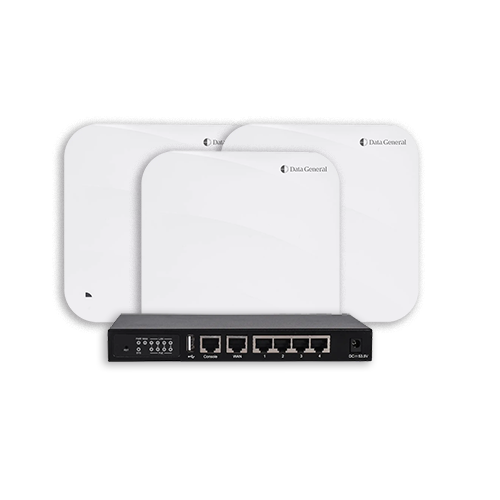
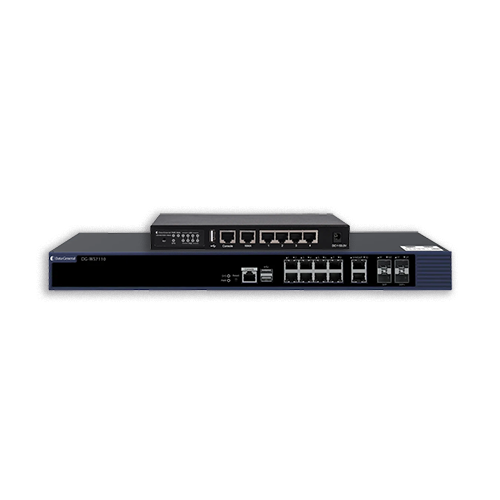
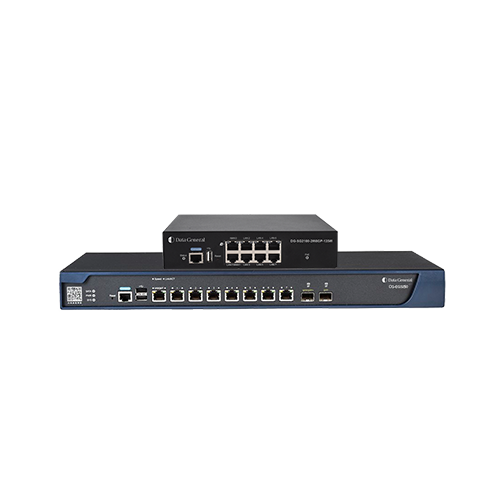
The DG-WS7005 integrates internet gateway, 4-port PoE switch and WiFi controller for up to 64 access points in a single unit, with no additional licence required. It is the device included in Signal, Extreme and Beam packs, and the foundation for installations of up to 64 APs managed via the WIS cloud platform or in autonomous local mode.
DG-WS7110: up to 512 APs with expandable licence
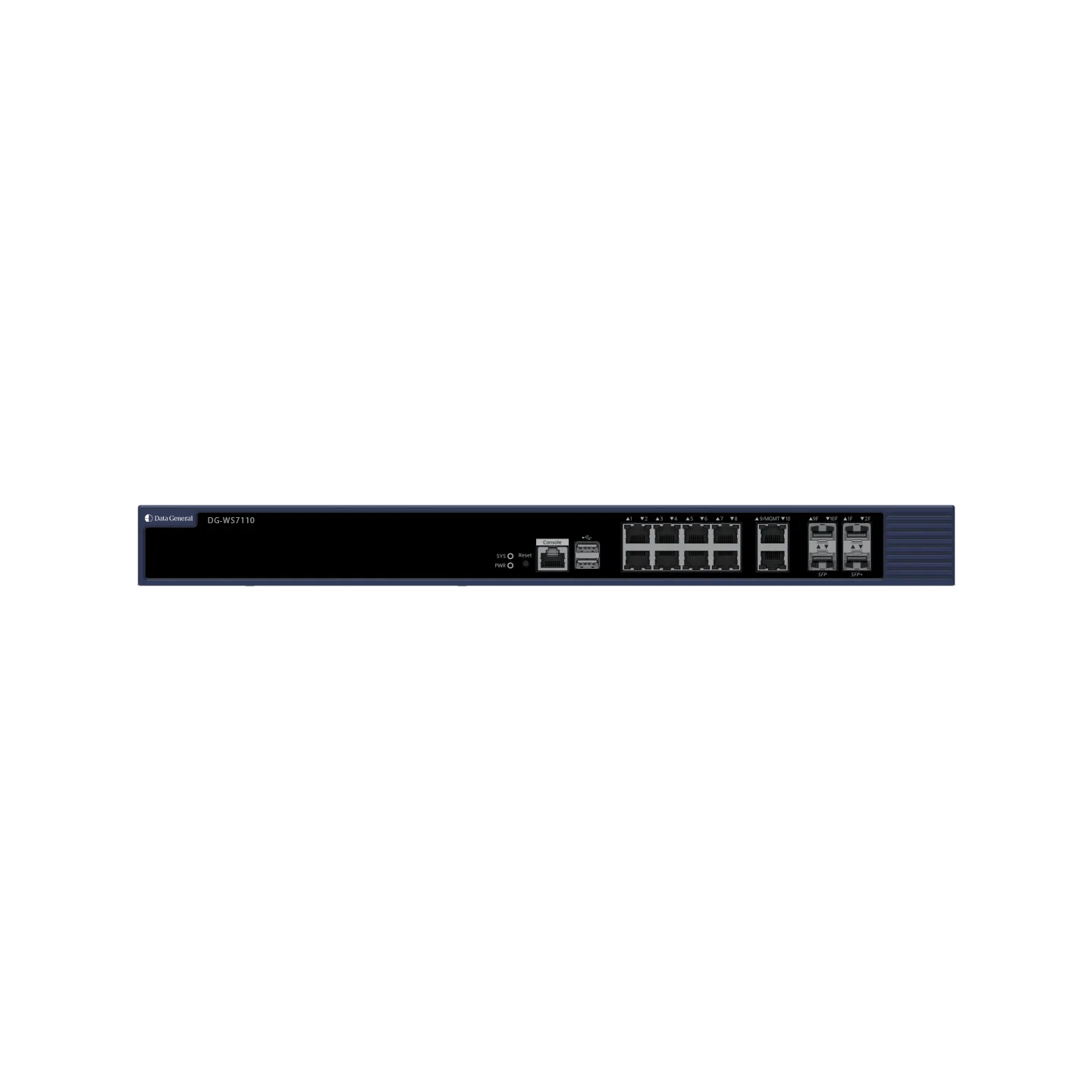
The DG-WS7110 is designed for larger-scale projects. It is supplied with a base licence for 32 APs, expandable in blocks of 16, 32 or 128 APs up to a maximum of 512 managed access points. The right choice for hotel chains, university campuses or shopping centres where scale and service continuity are priorities.
DGN-AC7158 and DGN-AC7256: professional management at scale
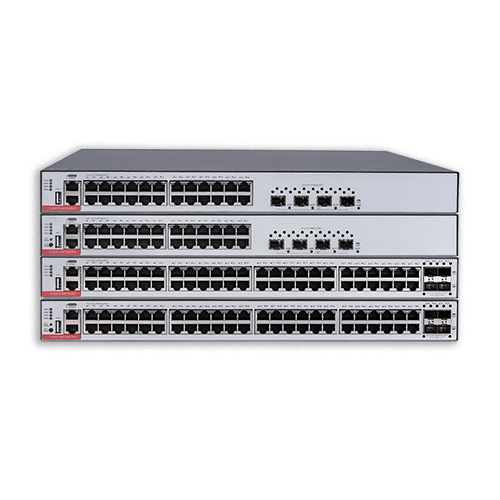
For large-scale Nexus family projects, the DGN-AC7158 and DGN-AC7256 models offer management capacity for hundreds of APs with advanced segmentation, QoS and redundancy features. Available on request with licence included, aimed at integrators and critical infrastructure projects.